Sunday, 8 May 2016

Pill Bug

A close relative of the Common Woodlouse, the Pill Bug, Armadillidium Vulgare, can roll up into a complete, armoured ball. The Common Woodlouse cannot.
Simple difference :)

Pill Bug
Photo by Alex Sidney

Pill Bug
Photo by Alex Sidney

House Spider

My mum wasn't very enthusiastic when she saw this large Tegenaria Domestica in the study!
This is a common House Spider, found - well, in houses!
House Spider
Photo by Alex Sidney

Earwig

This female Earwig was found inside my sleeping bag!!!
I had quite a jump in the night, when I felt something wriggling about inside my sleeping bag!
Scientific Name: Forficula Auricularia

Earwig
Photo by Alex Sidney

Earwig
Photo by Alex Sidney

Moss Snail

When I captured other, large Snails, I always put it a few Wildflowers with them, just in case they are in there for a few hours, with nothing to keep them moist.
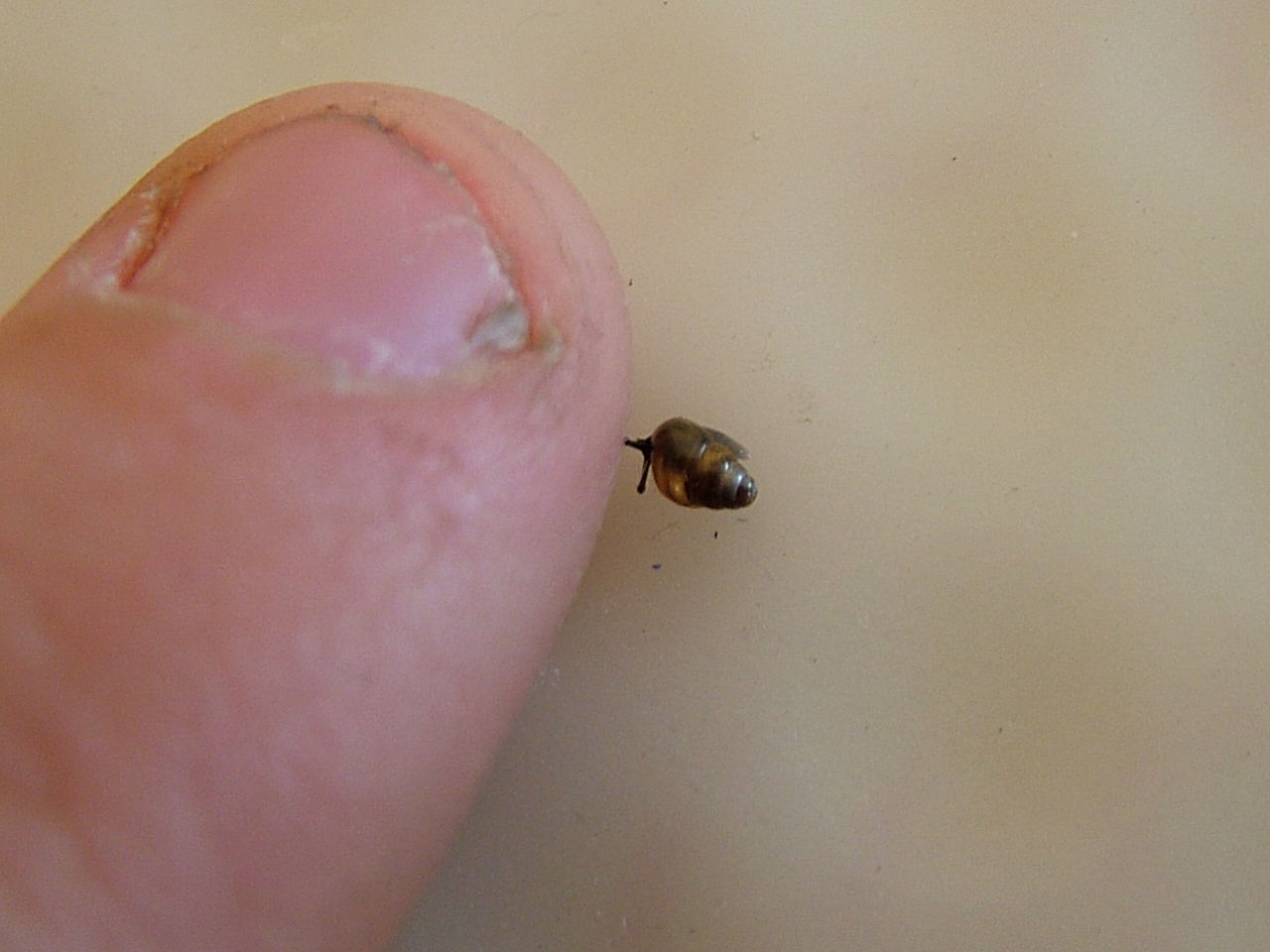
This morning, I looked at my Snails, and found a tiny one!
Thinking it was a baby of a larger species, I researched it, to no avail. Then I finally turned to my books, and found that it was Moss Snail (Cochlicopa Lubrica)

From the book:

Moss Snail
Cochlicopa Lubrica

The blunt-ended, conical shell is glossy, translucent, and pale to dark brown. The snail is common everywhere in Britain in damp places including dead leaves, grass and under fallen branches, as well as among mosses. The body is pale brown. Shell size up to 1/4 in. (6 mm) long and 1/8 in. (3mm) across.

Moss Snail
Photo by Alex Sidney

Moss Snail
Photo by Alex Sidney

Moss Snail
Photo by Alex Sidney

Moss Snail
Photo by Alex Sidney

Moss Snail
Photo by Alex Sidney

Moss Snail
Photo by Alex Sidney

Dark-lipped Banded Snail

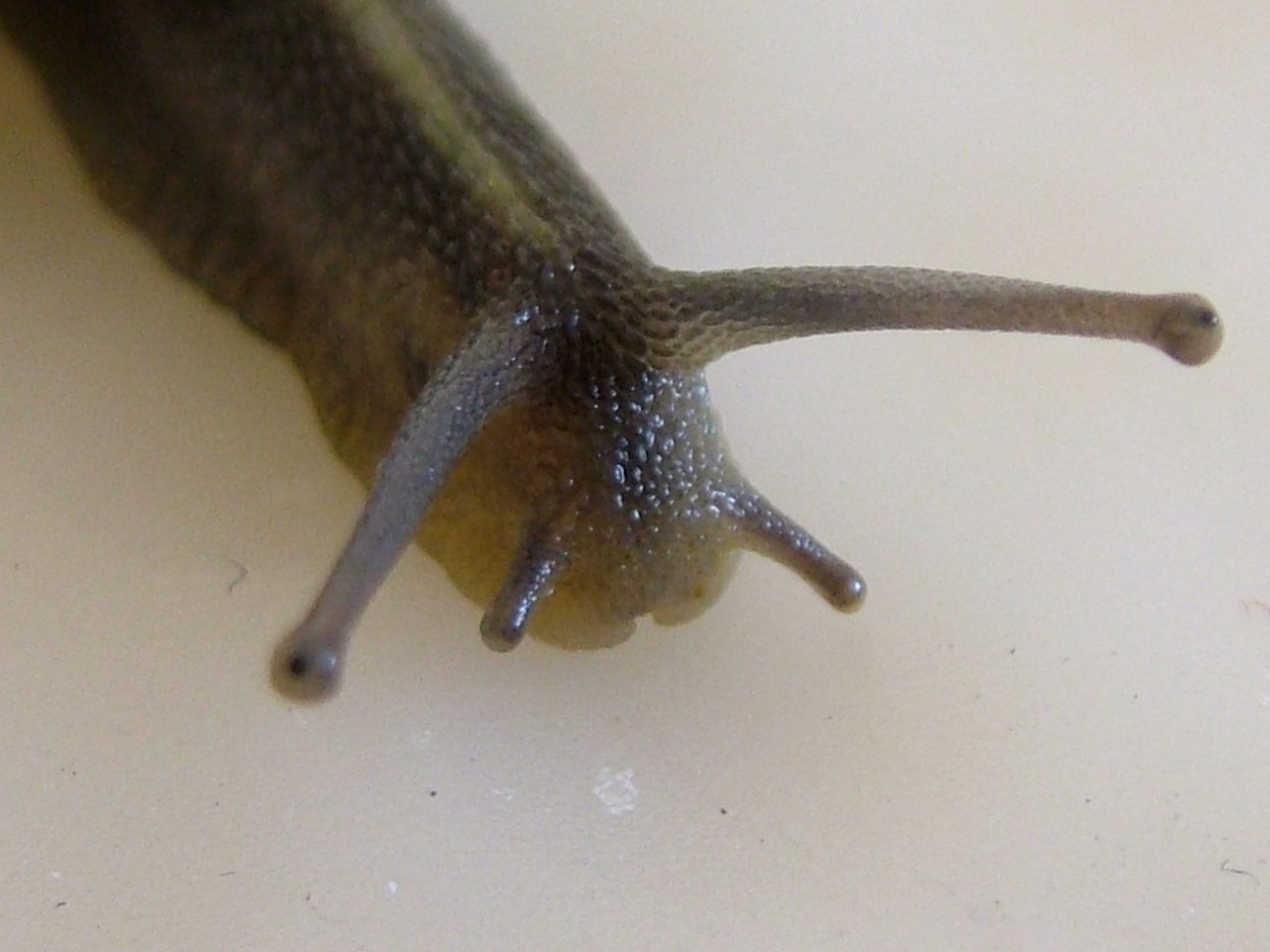
This was quite an interesting discovery; I've never really looked at Banded Snails before, and there are two main species: White-lipped, and Dark-lipped Banded Snails.
It took me quite a lot of research on "the web", to find out the simple difference.
To distinguish the two snails apart, you just look at the colour of the band on the lip of their shells. Occasionally, you will get coloured lips that don't match the rest of the shell, so that specimen will be an undetermined species.
The colour (either white or brown/black), will tell you the species - hence the names.
But this one was a Dark-lipped Banded Snail (Cepaea Hortensis)

Dark-lipped Banded Snail
Photo by Alex Sidney
Dark-lipped Banded Snail
Photo by Alex Sidney

Dark-lipped Banded Snail
Photo by Alex Sidney

Dark-lipped Banded Snail
Photo by Alex Sidney

Dark-lipped Banded Snail
Photo by Alex Sidney

Dark-lipped Banded Snail
Photo by Alex Sidney

Dark-lipped Banded Snail
Photo by Alex Sidney

Common Centipede

An easy find, under almost every log I look under!
Scientific Name: Lithobius Forficatus

Common Centipede
Photo by Alex Sidney

Common Centipede
Photo by Alex Sidney

Common Centipede
Photo by Alex Sidney

7-spot Ladybird

Probably one of the most common of Britain's Beetles, I can't believe I found this one so hard to find this year!
Scientific Name: Coccinella 7-punctata

7-spot Ladybird
Photo by Alex Sidney

7-spot Ladybird
Photo by Alex Sidney